What Furniture Warranties Really Cover (And What They Don’t)
f you’ve ever purchased a new sofa or recliner, odds are the salesperson offered you a protection plan. Maybe you added it because you have pets or kids. Maybe you just wanted peace of mind. But when something goes wrong and you file a claim, it can feel confusing if it’s denied or if the terms don’t quite match what you expected. That’s exactly why we wanted to talk about it. At ServeCo, we handle thousands of warranty requests, and we’ve seen just about every question and scenario that can come up.
Let’s clear things up. This post is for anyone who has bought a protection plan, is thinking about getting one, or just wants to know what’s actually covered. Our goal is to be transparent, help you make informed decisions, and set you up to get the most out of your warranty if you ever need to use it.
What is a Furniture Protection Plan?
A protection plan is a service agreement that covers accidental damage to your furniture. It usually kicks in after you bring your furniture home and is designed to help extend its life. Unlike manufacturer warranties, which typically cover defects in materials or workmanship, a protection plan focuses more on real-life accidents. Think of things like food spills, ink stains, pet scratches, or rips and tears from everyday use.
It’s important to note that this kind of plan is meant to supplement, not replace, your manufacturer’s warranty. If there’s a structural defect in your new chair’s frame, that’s probably a manufacturer issue. But if your toddler gets creative with a permanent marker, that’s where the protection plan comes in.
What’s Typically Covered
Let’s talk about what a solid furniture protection plan usually includes. While every plan has its own terms, these are the most common types of accidental damage that are often covered:
- Food and beverage stains
- Ink, makeup, or nail polish stains
- Accidental rips, cuts, or punctures
- Pet damage from claws or chewing (usually limited)
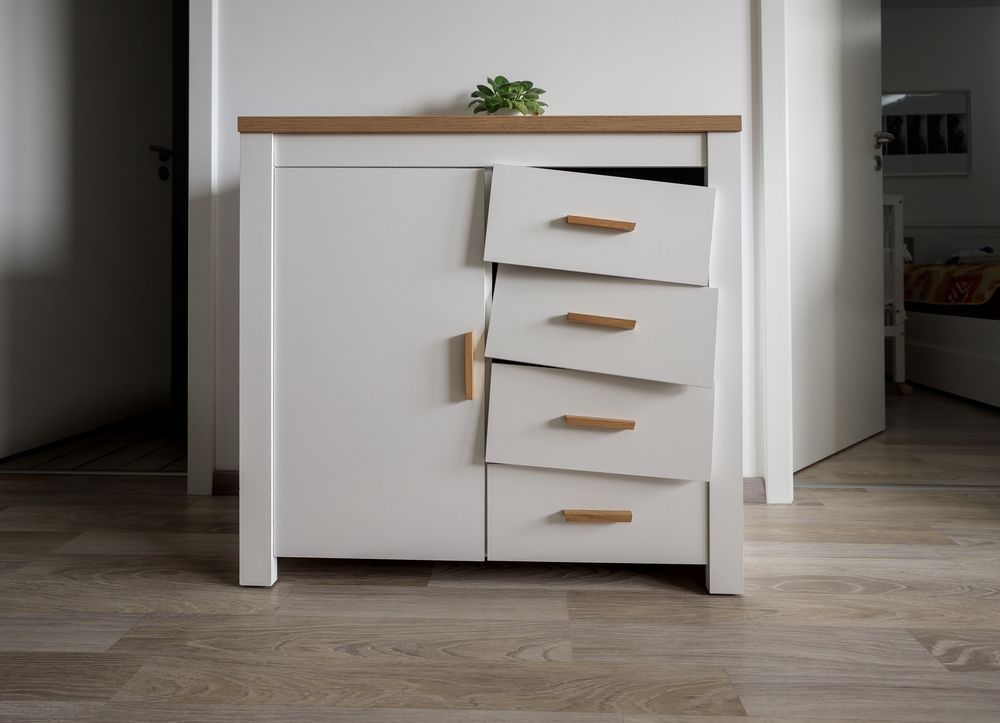
- Broken frames or mechanisms from single incidents
- Cracked wood or glass from accidents
- Seam separation or loose stitching
We’ve seen everything from red wine spills to crayon-covered cushions, and many of these fall under coverage when the right steps are followed. The key thing here is that the damage must be accidental and sudden. That’s where many people get tripped up, so let’s break it down further.
What’s Not Covered
This is where it gets a little more complicated, but we think honesty is always better than surprises. The most common reason claims are denied is that the damage wasn’t caused by a single incident. We know this can be frustrating to hear, but here’s what that really means.
Let’s say your recliner’s fabric has been wearing down over time. It’s not torn, but it’s clearly looking worn. That’s not a sudden accident, it’s regular use. If you notice a stain that’s been building up for weeks or months from body oils, it may not qualify either. Same goes for damage from repeated pet activity or multiple spills that were never cleaned up.
Here are some other common exclusions in most plans:
- General wear and tear
- Cumulative damage
- Fading, pilling, or peeling
- Odors or smells from pets or smoke
- Improper cleaning methods or unapproved cleaners
- Damage from moving or improper use
- Stains that were not reported within the required time frame (usually a few days)
We don’t say this to scare you off. We just want you to know how to get the most out of your plan. One of the best things you can do is read the terms and conditions when you buy your coverage. We know, no one loves reading the fine print, but knowing the basics can save you time and frustration later on.
How to File a Claim the Right Way
If something does happen to your furniture, here’s how to give yourself the best shot at a quick and successful claim process:
Act quickly
Most plans require you to report the issue within a set time. If you spill something, don’t wait. Even if you’re not sure if it’s covered, go ahead and start the claim.
Take clear photos
Good documentation is key. Take photos of the full piece of furniture and close-ups of the damage. Make sure they’re well-lit and show exactly what happened.
Explain the incident
Your claim will ask what caused the issue. Be specific and honest. “I dropped a glass of red wine” is much better than “There’s a stain I just noticed.” The more accurate the information, the better we can assess it.
Use approved cleaners only
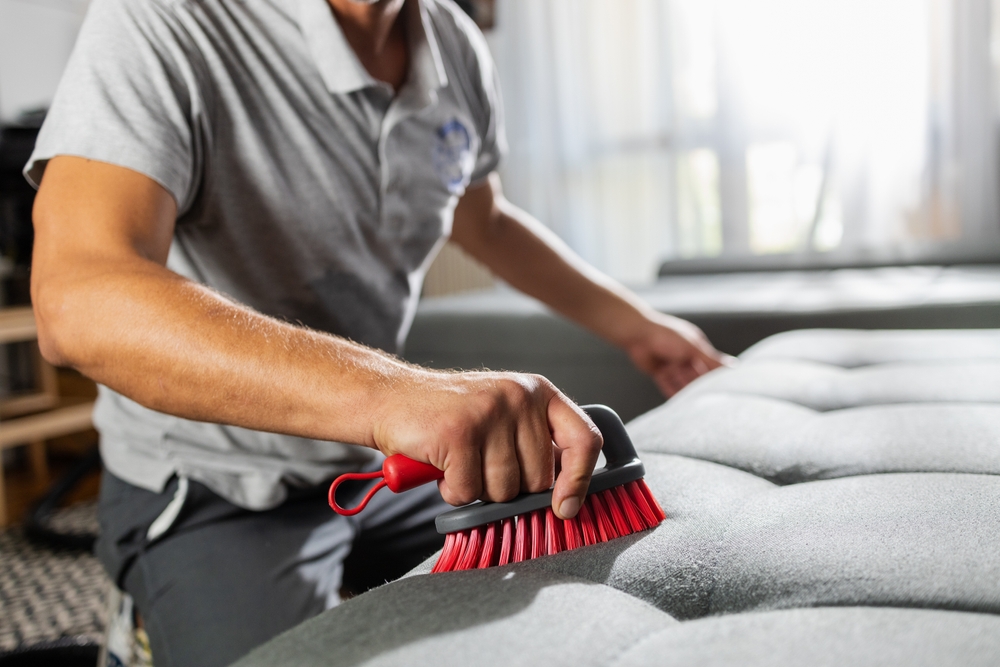
Trying to fix the damage yourself with harsh chemicals or tools can make it worse. If your plan includes a cleaning kit, use that. Otherwise, wait for instructions before applying anything.
Have your receipt or plan number handy
This helps us find your information faster and move things along. If you don’t have it, call us and we’ll help you locate your plan using your name and address.
The Goal Isn’t to Say No
We get it. You wouldn’t buy a protection plan unless you believed it would help when you need it. And we don’t like denying claims. Our team is made up of people who care about doing the right thing, but we also have to follow the plan guidelines. When a claim gets denied, it’s often because the damage doesn’t fit the accidental or sudden criteria, or because it wasn’t reported in time.
That’s why education is such a big part of our approach. The more you know about what’s covered and how the process works, the more likely you are to have a good experience if something goes wrong.
Tips to Protect Your Furniture (and Your Coverage)
Protection plans are a great safety net, but the best strategy is still prevention. Here are a few tips we always share with customers:
- Rotate cushions regularly to avoid uneven wear
- Keep pets off furniture if possible or use covers
- Don’t eat or drink on light-colored upholstery
- Keep furniture away from direct sunlight to reduce fading
- Clean up spills immediately with a clean cloth
- Don’t use cleaners unless they’re approved for your fabric or leather type
Taking a little extra care now can help prevent damage that wouldn’t be covered later. It also keeps your furniture looking great longer, even if you never end up filing a claim.
We’re Here to Help
At ServeCo, we’re proud of the coverage we offer and the service we provide. Every day, we help families get their furniture repaired, cleaned, or replaced through our protection plans. And while no plan can cover everything, we believe in making the process simple and fair for everyone.
If you have questions about your coverage, want to start a claim, or just want to talk through what’s included, don’t hesitate to reach out. Our team is here to walk you through every step.
You can also visit our support page to learn more, view claim status, or contact us directly.